Understanding AI Image Variations
In the rapidly evolving digital landscape of 2026, AI image variations have emerged as a transformative tool for creatives and industries alike. These variations allow users to generate multiple unique renditions of a single image, fostering innovation in design, marketing, and branding. As businesses look to differentiate themselves in a crowded market, leveraging AI image variations can provide a significant edge. This article explores what AI image variations are, the technology behind them, their applications across various sectors, and best practices for their implementation.
What Are AI Image Variations?
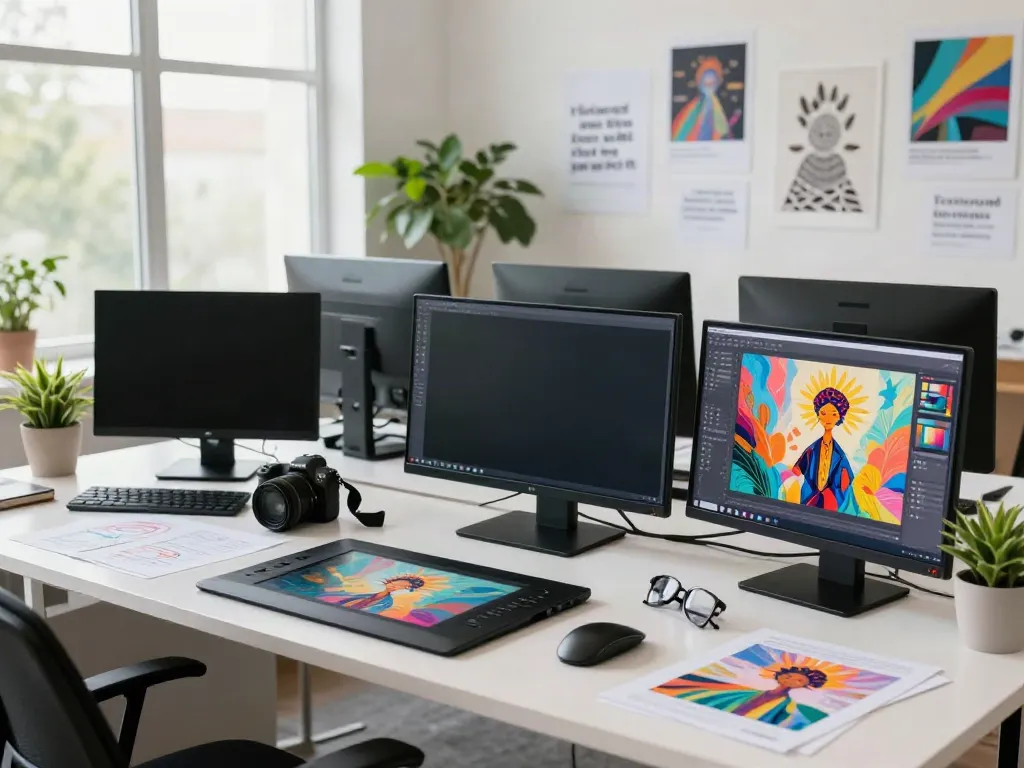
AI image variations refer to the process of using artificial intelligence to create different iterations of an original image while maintaining its core elements. This can include altering colors, styles, backgrounds, and even specific details, producing unique outputs from a single input. For example, a fashion designer might use AI image variations to visualize how a particular outfit looks in different settings or with various color palettes.
The Technology Behind AI Image Generation
AI image generation leverages advanced algorithms, particularly neural networks and deep learning techniques. Generative Adversarial Networks (GANs) are at the forefront of this technology, where two neural networks—the generator and the discriminator—compete to produce images that are indistinguishable from real ones. This process allows the AI to learn from vast datasets and generate images that are not only visually appealing but also contextually relevant. When exploring options, AI image variations provide comprehensive insights into innovative design possibilities.
Applications of AI Image Variations in Different Industries
From advertising to entertainment, AI image variations have a wide range of applications:
- Advertising: Marketers can generate ads that target specific demographics by altering imagery to appeal to different audiences.
- Fashion: Designers utilize AI to create lookbooks with various styles and colors without needing a physical photo shoot each time.
- Gaming: In the gaming industry, variations of characters or environments can be generated to enhance user experience and engagement.
- Real Estate: AI can create visualizations of properties with different landscaping or interior designs to attract potential buyers.
Benefits of Using AI Image Variations
Enhancing Creativity and Artistic Expression
AI image variations open up new avenues for creativity. Artists and designers can explore countless options quickly, allowing them to refine their ideas and push boundaries without the constraints of traditional methods. This enhances artistic expression and can lead to innovative designs that would otherwise take significant time to create manually.
Cost-Effectiveness and Efficiency
By minimizing the need for extensive photoshoots and manual editing, AI image variations significantly reduce costs and time spent on visual content creation. Businesses can generate multiple marketing materials, product images, or design concepts in a fraction of the time, allowing for a more agile approach to market demands.
Staying Ahead of Market Trends
In a fast-paced digital environment, being able to rapidly adapt to trends is crucial. AI image variations enable brands to stay relevant by continuously updating and refreshing their visual content. Companies can quickly produce images that align with current design trends or seasonal changes, ensuring they remain competitive.
Best Practices for Implementing AI Image Variations
Choosing the Right Tools and Software
Selecting the appropriate software is critical for leveraging AI image variations effectively. Businesses should evaluate different tools based on their unique needs, considering factors such as ease of use, available features, and integration capabilities with existing workflows. Popular options in 2026 include platforms that offer automated workflows and user-friendly interfaces.
Integrating AI Image Variations into Workflows
To maximize the benefit of AI image variations, companies should integrate these tools into their existing creative processes. This might involve training team members on new software, adjusting project management tools for collaboration, or setting up a standard operating procedure to ensure consistency across outputs.
Case Studies of Successful Implementation
Numerous companies have successfully integrated AI image variations into their operations. For instance, a leading fashion brand utilized AI to generate seasonal lookbooks, resulting in a 30% increase in customer engagement and a quicker time to market for their collections. These case studies demonstrate the potential for diverse applications of AI image variations across sectors.
Common Misconceptions About AI Image Variations
Myth vs. Reality: Quality and Creativity
One common misconception is that AI-generated images lack quality or creativity compared to human-created works. However, advancements in AI technology have significantly improved the quality of generated images. Many AI models can now produce outputs that are indistinguishable from traditional images, often even enhancing creative possibilities through unique variations.
AI vs. Human Creativity: Collaborators, Not Replacers
AI image variations should be viewed as collaborators rather than replacements for human creativity. While AI can generate variations based on existing inputs, it lacks the subjective insight and emotional nuance that human artists and designers bring to their work. The ideal approach combines the strengths of both AI and human creativity to produce outstanding results.
Understanding Licensing and Copyright Issues
As AI-generated images become more prevalent, understanding licensing and copyright issues is essential. Many AI tools have specific terms regarding ownership of generated images. Users must familiarize themselves with these terms to avoid potential legal issues and ensure compliance with intellectual property laws.
Looking Ahead: The Future of AI Image Variations
Emerging Trends and Technologies in 2026
The future of AI image variations is poised for exciting developments. Emerging trends include the integration of augmented reality (AR) and virtual reality (VR) capabilities, allowing for immersive experiences where users can interact with AI-generated images in real-time. Furthermore, advancements in AI will lead to more sophisticated understanding of context and user preferences, resulting in even more personalized image variations.
Anticipated Challenges and Solutions
Despite the promising outlook, there are challenges to consider, such as the potential for over-reliance on AI tools, leading to a loss of originality. To combat this, businesses should ensure a balanced approach that encourages creative human input alongside AI assistance, fostering an environment where innovation thrives.
Expert Predictions and Insights on AI Advancement
Experts predict that the capabilities of AI in image generation will expand, offering more nuanced and tailored variations. As technology evolves, the lines between traditional and AI-generated art may blur, leading to new forms of visual expression. Organizations that embrace these advancements will likely remain at the forefront of creative industries.