
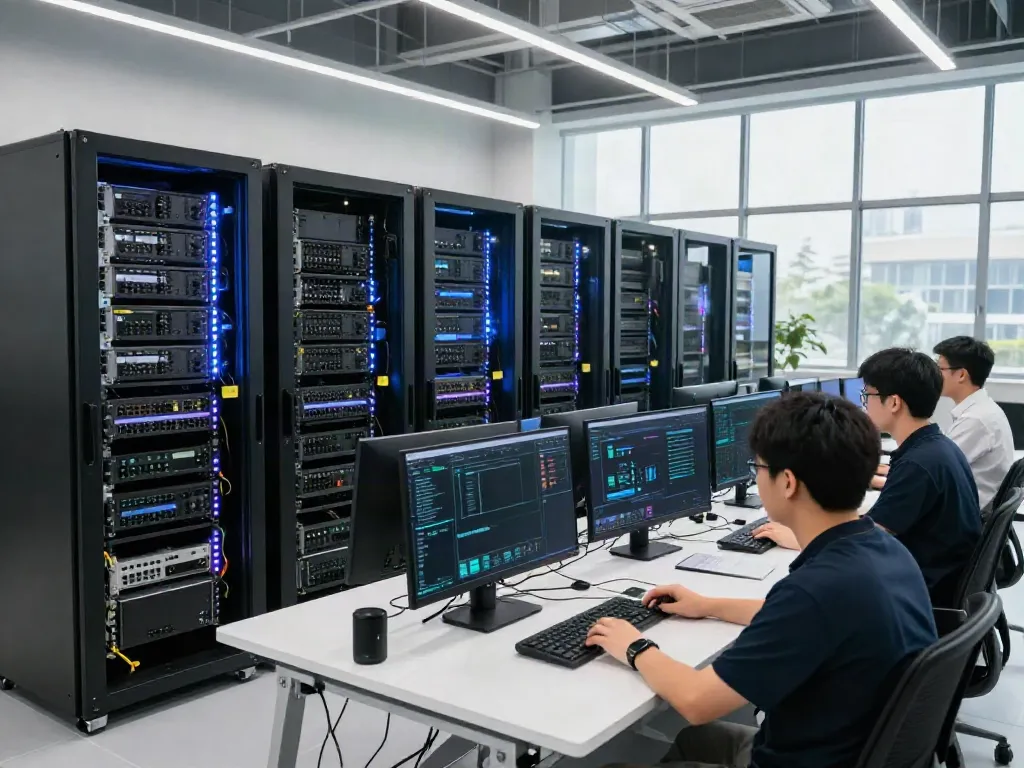
Understanding the Role of AI Data Centers
The rise of artificial intelligence (AI) necessitates a robust infrastructure capable of supporting its extensive computational needs. At the heart of this infrastructure lies the AI data center, which is a specialized facility designed to accommodate the demands of AI applications and services. As organizations continue to harness the power of AI, understanding the intricacies of these data centers becomes essential for optimizing performance and operational efficiency.
What Defines an AI Data Center?
An AI data center is specifically engineered to handle high-density computing tasks that are integral to AI processing. Unlike traditional data centers that might focus on general computing needs, AI data centers are equipped with specialized hardware, such as Graphics Processing Units (GPUs) and Application-Specific Integrated Circuits (ASICs), which are essential for the rapid processing of large datasets characteristic of AI workloads. Furthermore, these facilities are designed to facilitate the training and inference of AI models, ensuring low latency and high throughput.
Key Components of AI Data Centers
AI data centers encompass several critical components that are tailored to meet the unique demands of AI workloads:
- Hardware: High-performance computing units, including GPUs, TPUs (Tensor Processing Units), and high-bandwidth memory, are pivotal for the acceleration of AI computations.
- Cooling Systems: Advanced cooling technologies are implemented to manage the significant heat generated by dense computing resources, ensuring optimal performance and longevity of hardware.
- Network Infrastructure: High-speed interconnects and low-latency networking equipment are essential for facilitating rapid data transfer, integral for real-time AI applications.
- Data Storage: Scalable storage solutions, including SSDs and cloud-based storage systems, are necessary for managing the vast amounts of data required for training AI models.
AI Data Center vs. Traditional Data Center
While both AI and traditional data centers serve the purpose of housing IT infrastructure, they differ significantly in design and function. Traditional data centers usually support a diverse range of applications, primarily using CPUs for processing. In contrast, AI data centers are optimized exclusively for machine learning and deep learning tasks that necessitate extensive parallel processing capabilities. This specialization allows AI data centers to achieve higher efficiency and performance in processing tasks related to AI.
Importance of Power in AI Data Centers
Power management is a crucial aspect of AI data centers, as the performance and efficiency of AI computations are heavily reliant on energy supply. Implementing innovative power management strategies can lead to significant cost savings and improved operational efficiency.
How Power Affects AI Performance
The relationship between power supply and AI performance is direct; insufficient power can lead to throttled performance or system failures. AI computations typically require a consistent power supply to maintain the operation of high-performance hardware. Moreover, fluctuations in power delivery can adversely affect the reliability of AI services, which must process extensive workloads without interruption.
Innovative Power Management Strategies
Embracing better power management strategies can enhance the efficiency of AI data centers. These strategies include:
- Dynamic Power Management: Automatically adjusting power usage based on workload demand can optimize energy consumption.
- Renewable Energy Sources: Utilizing solar panels, wind turbines, or other renewable sources can reduce carbon footprints and create sustainable power solutions.
- Energy Storage Solutions: Incorporating battery systems can ensure a backup power supply during outages and help balance energy loads during peak usage times.
Impact of Renewable Energy on AI Infrastructure
As the push for sustainability grows, integrating renewable energy sources into AI data centers presents both challenges and opportunities. By leveraging renewable energy, data centers can significantly minimize their environmental impact while potentially reducing energy costs. However, achieving a reliable power source requires careful planning and investment in infrastructure capable of accommodating variable energy outputs.
AI Data Center Architecture
The architecture of an AI data center is specifically designed to support the efficient operation of AI workloads while ensuring scalability and robust performance. The design elements focus on maximizing efficiency and minimizing downtime.
Design Elements for Efficiency
Key architectural components that enhance efficiency in AI data centers include:
- Modular Design: This allows for the scalable addition of resources as demand increases, facilitating growth without significant downtime.
- Optimized Cooling Systems: Efficient cooling technologies, such as liquid cooling or immersion cooling, help maintain optimal CPU and GPU operation temperatures.
- Redundant Systems: Ensuring redundancy in power and network pathways helps prevent single points of failure, improving reliability.
Scalability Considerations
As AI workloads continue to evolve, data centers must be adaptable. Designing with future scalability in mind involves selecting hardware and software platforms that can accommodate increased loads without requiring extensive modifications to existing infrastructure.
Integrating AI Workloads into Infrastructure
The successful integration of AI workloads into existing infrastructure requires not just advanced hardware but also sophisticated software management tools that can handle workload distribution, resource allocation, and performance monitoring. Cloud services and hybrid models are often employed to facilitate such integrations, providing flexibility and enhanced operational capabilities.
Challenges Facing AI Data Centers
While AI data centers offer immense potential, they face several challenges that need to be addressed to optimize their efficiency and sustainability.
Common Misconceptions about AI Computing
One prevalent misconception is that AI computing is solely driven by algorithms; however, the underlying infrastructure, including GPU performance and power supply, plays a critical role in determining overall efficiency. Understanding these dynamics is essential for stakeholders aiming to invest in AI technologies.
Addressing Energy Consumption Issues
AI data centers are notorious for their high energy consumption, which poses sustainability challenges. To tackle this concern, many operators are implementing energy-efficient protocols and technologies that keep energy usage in check while maintaining high performance for AI workloads.
Overcoming Regulatory Hurdles
The regulatory landscape concerning energy consumption and data privacy can complicate operational strategies for AI data centers. Staying compliant with local regulations can be a daunting task, necessitating a proactive approach to ensure adherence while optimizing operational efficiency.
The Future of AI Data Centers
As technology progresses, AI data centers will continue to evolve, driven by trends in AI development and infrastructure demands.
Trends Influencing Data Center Development in 2026
Several trends are shaping the development of AI data centers, including:
- Increased Automation: AI-driven automation will streamline operations, from power management to workload distribution, enhancing overall efficiency.
- Edge Computing: The rise of edge computing necessitates the build-out of distributed AI data centers, pushing processing closer to data sources for quicker responses.
- Hybrid Infrastructure Models: Combining on-premise facilities with cloud services will enable businesses to balance performance and cost-effectiveness more effectively.
Predicted Advances in AI Computing
Future advancements in AI computing hardware, such as next-generation GPUs and quantum computing, promise to revolutionize AI capabilities even further. These technologies will facilitate more complex algorithms and larger models, driving the demand for even more sophisticated AI data centers.
Preparing for the Next Generation of AI Workloads
Data centers must proactively prepare for future AI workloads that may exceed current capabilities. Investing in scalable, flexible infrastructure and staying abreast of emerging technologies is crucial for readiness.
What Are the Benefits of AI Data Centers?
AI data centers offer numerous benefits, including:
- Enhanced Performance: Tailored infrastructure results in optimized operational efficiency, enabling faster AI computations.
- Scalability: AI data centers can easily scale resources in accordance with demand, accommodating rapid growth and changes in workload.
- Lower Latency: By reducing the distance data must travel, AI data centers can deliver faster response times for AI applications.
Are AI Data Centers Environmentally Responsible?
While AI data centers have a reputation for high energy consumption, many are transitioning to more sustainable practices, including renewable energy usage and energy-efficient designs aimed at reducing their carbon footprint.
What Technologies Will Shape AI Data Centers?
Emerging technologies such as AI-driven resource management, advanced cooling solutions, and next-generation networking hardware will play a significant role in defining the future landscape of AI data centers.
How Do I Choose the Right AI Data Center for My Business?
Selecting an AI data center requires consideration of various factors, including performance needs, scalability options, energy efficiency, and cost. Conducting thorough research and evaluating providers based on these criteria will help businesses find the right fit for their AI strategies.