Understanding Glass Partitions
In the evolving world of modern design, Glass partitions have emerged as a preferred choice for both residential and commercial spaces. They offer a seamless blend of functionality and aesthetics that enhances the overall appeal of any environment. With their ability to create defined spaces while maximizing natural light, glass partitions are more than just physical dividers; they are design elements that significantly influence the ambiance and flow of a space. This article delves into the various types, benefits, design considerations, installation processes, maintenance, cost factors, and future trends associated with glass partitions.
What Are Glass Partitions?
Glass partitions are transparent or translucent dividers made from glass that can be used to separate spaces without blocking light. They are commonly utilized in offices, homes, and retail environments to create distinct areas while maintaining an open, airy feel. Typically mounted in frames or as frameless systems, glass partitions can serve various purposes, from conference rooms and office cubicles to private areas in residential settings.
Types of Glass Partitions Available
- Framed Glass Partitions: These are supported by a metal or wooden frame that enhances sturdiness and allows for a range of design styles.
- Frameless Glass Partitions: Offering a sleek, minimalist aesthetic, these partitions create an unobstructed view and maximize light transmission.
- Movable Glass Partitions: Ideal for flexible workspaces, these partitions can be relocated or adjusted according to changing layouts.
- Acoustic Glass Partitions: Designed to reduce noise levels, these partitions are ideal for environments where sound control is essential, such as offices or meeting rooms.
Benefits of Using Glass Partitions in Offices
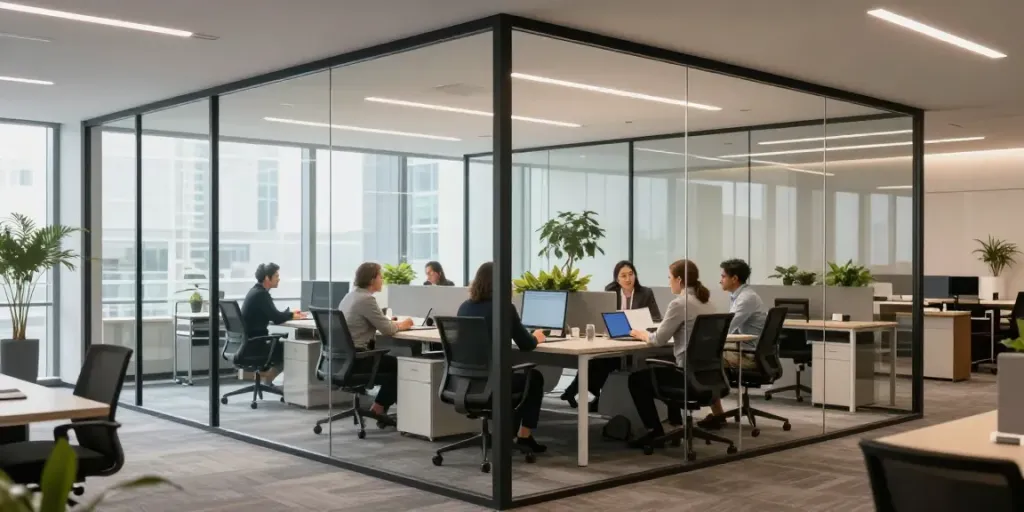
Integrating glass partitions in office design provides several benefits. Firstly, they promote natural light flow, which can enhance employee productivity and well-being. Secondly, glass partitions create a sense of openness while still allowing for privacy when needed. This balance can improve collaboration among team members without creating an overly compartmentalized environment. Furthermore, they are visually appealing and can be customized with various finishes, adding a modern touch to traditional office aesthetics.
Design and Aesthetic Considerations
How to Choose the Right Glass Partition Design
Selecting the appropriate glass partition design hinges on understanding the intended use and desired ambiance of the space. Consider factors such as the level of privacy required, the volume of natural light desired, and the overall interior design theme. For instance, frosted glass can provide privacy while still allowing light to permeate, whereas clear glass is more suited for spaces where visibility and openness are key.
Incorporating Branding with Glass Partitions
Glass partitions can be an excellent canvas for branding efforts. Custom prints or etchings on the glass can display company logos, mission statements, or graphics that reflect the brand’s identity. This approach can enhance brand visibility and ensure that the company’s ethos is communicated through the physical space.
Color and Finish Options for Glass Partitions
The color and finish of glass partitions can greatly affect the overall aesthetic of a space. Options range from clear and tinted glass to patterned or textured finishes. Additionally, frames can be customized in various materials and colors, allowing flexibility in matching the partitions to existing décor.
Installation and Maintenance
Steps for Installing Glass Partitions Effectively
Installing glass partitions requires careful planning and execution. Here are the general steps involved:
- Site Assessment: Evaluate the space where the partitions will be installed, considering factors like existing structures and floor plans.
- Design Approval: Finalize the partition design based on client preferences and functional requirements.
- Fabrication: Manufacture the glass panels based on the approved designs, ensuring precise measurements.
- Installation: Install the partitions carefully, ensuring they are secure and level, while minimizing disruption to the surrounding area.
Routine Maintenance for Longevity
To ensure the longevity of glass partitions, regular maintenance is essential. This includes cleaning the glass surfaces with non-abrasive cleaners to avoid scratches, inspecting the framework for any signs of wear, and ensuring that sliding or movable components are functioning smoothly. Regular checks can prevent minor issues from becoming major repairs.
Common Issues and How to Address Them
Some common issues encountered with glass partitions include scratches, cracks, or structural failures. Addressing these issues promptly is crucial. For minor scratches, professional polishing services can restore clarity. Cracks should be assessed by a professional; in some cases, the glass may need to be replaced. Regular checks can ensure that any structural issues are caught early.
Cost Considerations and ROI
Factors Influencing the Cost of Glass Partitions
The cost of glass partitions can vary significantly based on several factors, including the type of glass used, the complexity of the design, and the installation process. Additionally, custom features such as branding or acoustic treatments can also affect the overall price. It's essential to budget prudently and discuss options with suppliers to find the best fit for your needs.
Budgeting for Installation and Maintenance
When planning for installation costs, consider both the initial expenses and long-term maintenance. Factor in the cost of regular cleaning, potential repairs, and any desired upgrades to keep the partitions looking fresh and functional.
Measuring ROI for Glass Partition Investments
Investing in glass partitions can yield significant returns, especially in commercial settings. Improved aesthetics can enhance customer experience, while natural light can boost employee productivity. To measure ROI, consider metrics such as increased foot traffic due to improved design or enhanced employee satisfaction reflecting in work output.
Future Trends in Glass Partition Design
Innovative Features to Expect by 2026
As design technology evolves, expect to see glass partitions that incorporate smart technology. Features such as electrochromic glass that can change opacity at the touch of a button will become more prevalent, offering customizable privacy solutions without compromising light.
Eco-Friendly Materials in Glass Partition Construction
In response to growing sustainability concerns, manufacturers are increasingly focusing on eco-friendly materials. This includes recycled glass and sustainable framing materials that minimize environmental impact while maintaining aesthetic appeal.
Smart Glass Technology Innovations
Smart glass technology is set to revolutionize the way we think about divisions in spaces. Innovations such as integrated displays and sensors will enable glass to serve not just as a barrier but also as an active participant in the environment, providing information or adjusting to external conditions as needed.
What is the lifespan of glass partitions?
The lifespan of glass partitions typically ranges from 10 to 20 years, depending on the quality of materials used, installation practices, and maintenance routines. Proper care can significantly extend their life expectancy.
How much do glass partitions cost?
The cost of glass partitions can vary widely, with budget options starting around $50 per square foot and high-end designs reaching upwards of $200 per square foot, including installation. Factors such as design complexity and customization will influence the final price.
What is the best glass for partitions?
The best glass for partitions generally depends on the specific needs of the space. Tempered glass offers increased strength and safety, while laminated glass provides sound insulation and enhanced security. Selecting the right type involves balancing aesthetics, functionality, and safety.
Can glass partitions help with sound insulation?
Yes, certain types of glass partitions can significantly reduce sound transmission. Acoustic glass, often used in offices and conference rooms, includes specialized layers that absorb sound, making it an ideal choice for environments that require privacy and focus.
Are glass partitions suitable for home offices?
Glass partitions are an excellent choice for home offices, offering a modern look while maintaining an open feel. They can effectively separate workspaces from living areas without making the home feel closed off, helping to create a productive environment.