
Understanding Mini Split AC Units
In today's climate-conscious world, efficient heating and cooling solutions are more important than ever. Among the various options available, mini split AC units have gained significant popularity due to their flexibility and energy efficiency. These compact systems not only provide exceptional cooling capabilities but also serve as reliable heating sources when needed. With their increasing prevalence in both residential and commercial settings, it’s essential to understand their components, advantages, and installation aspects. When exploring options, mini split ac unit provides comprehensive insights into available models and features to suit your needs.
What is a Mini Split AC Unit?
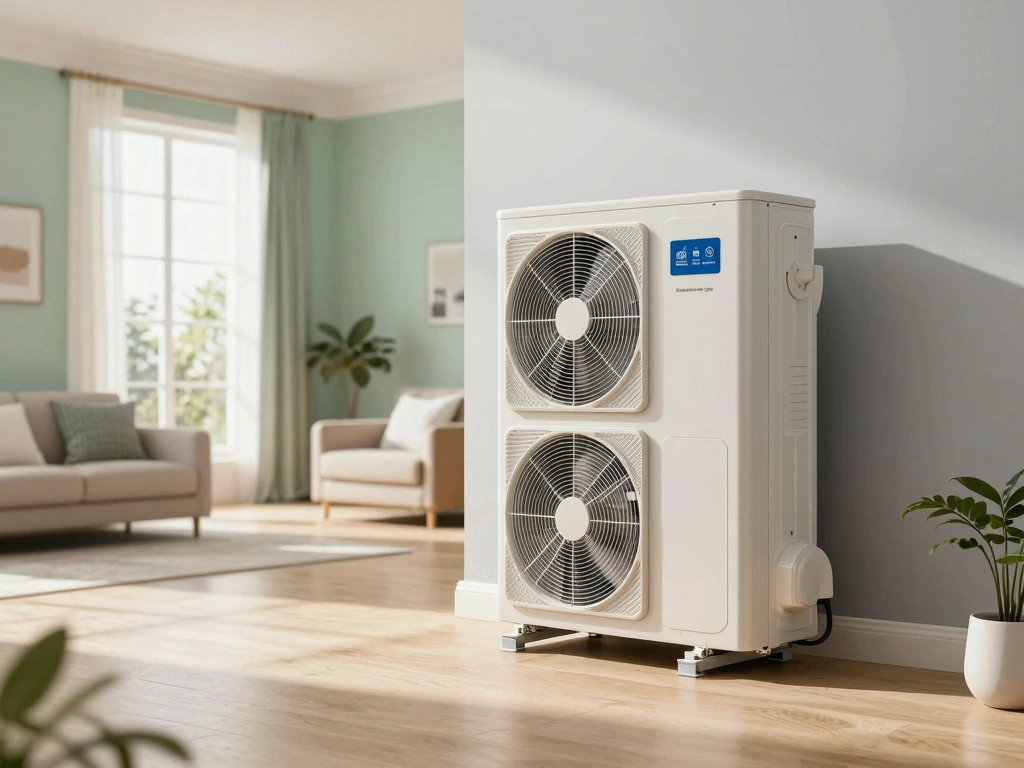
A mini split AC unit, also known as a ductless air conditioner, consists of two main components: an indoor unit and an outdoor unit. This system operates without ductwork, making it ideal for homes and spaces where installing traditional ducted systems may be impractical. The indoor unit is typically mounted on a wall or ceiling and distributes cool air throughout the room, while the outdoor unit houses the compressor and condenser. This separation allows for more efficient temperature regulation and eliminates the energy loss often seen in ducted systems.
Components of Mini Split Systems
Mini split systems are composed of several key components:
- Indoor Unit: This part contains the evaporator coil and is responsible for cooling the air before it circulates into the room.
- Outdoor Unit: Housing the compressor, condenser, and expansion valve, this component compresses the refrigerant and releases heat outside.
- Refrigerant Lines: These insulated pipes connect the indoor and outdoor units, allowing refrigerant to travel between them.
- Drain Line: Responsible for removing condensation, this line directs the moisture created during the cooling process away from the indoor unit.
- Remote Control: Most mini split systems come with a remote control for easy temperature adjustments and settings.
Key Benefits of Mini Split AC Units
Mini split AC units provide several advantages that make them a preferred choice for cooling and heating:
- Energy Efficiency: These systems typically have higher SEER ratings compared to traditional AC units, leading to reduced energy bills.
- Flexible Installation: Without the need for ductwork, mini splits are easier and less invasive to install compared to conventional systems.
- Zone Control: Users can control the temperature in individual rooms, allowing for personalized comfort and enhanced energy savings.
- Quiet Operation: Mini split systems operate much more quietly than window units, making them ideal for bedrooms and living areas.
- Heating Capability: Many mini splits offer heating functions as heat pumps, making them versatile for year-round use.
Evaluating Cost vs. Benefits
When considering the installation of a mini split AC unit, it's crucial to weigh the initial costs against the long-term benefits. This evaluation helps homeowners and businesses make informed decisions about their HVAC investments.
Initial Investment of Mini Split AC Units
The initial investment for a mini split AC unit includes the cost of the unit itself and the installation expenses. Prices can vary based on brand, capacity (measured in BTUs), and additional features. Generally, a typical installation for a mini split system can range from $2,000 to $5,000, depending on the complexity of the installation and local labor rates. While this may seem higher than traditional window units, the long-term savings often justify the expense.
Long-Term Savings on Energy Bills
One of the significant advantages of mini split systems is their energy efficiency. Due to their higher SEER ratings, homeowners can expect a significant reduction in energy bills. Over time, these savings can offset the initial installation costs, particularly for larger homes or spaces that require multiple units for effective climate control. For instance, replacing an older HVAC system with an energy-efficient mini split can result in up to 30% savings on cooling costs annually.
Cost of Installation and Maintenance
Installation costs can vary based on location, unit type, and the complexity of the system layout. For straightforward installations, costs can be lower, while multi-zone systems may incur additional expenses. Regular maintenance, such as cleaning filters and checking refrigerant levels, is essential to maximize efficiency and extend the unit's lifespan. Professional servicing typically costs between $100 to $300 annually, depending on the services required.
Installation Considerations
Proper installation is vital for the effective operation of mini split AC units. Consider the following factors when planning your installation:
Choosing the Right Location for Installation
The location of both the indoor and outdoor units greatly impacts the overall efficiency of the system. Indoor units should be placed in areas where airflow can effectively reach all corners of the room, while outdoor units require sufficient clearance for airflow and maintenance access. Avoid placing outdoor units in direct sunlight or under obstructions that could hinder performance.
Factors Affecting Installation Costs
Several factors influence the overall installation costs of mini split systems, including:
- Number of Zones: More zones require additional indoor units, increasing the overall cost.
- Complexity of Installation: If significant modifications are needed for existing structures, costs will increase.
- Local Labor Rates: Depending on your location, installation labor rates may vary significantly.
- Brand and Model Choices: Top-tier brands may come with higher initial costs but offer better longevity and efficiency.
DIY vs. Professional Installation
While some homeowners may consider a DIY approach to save on installation costs, it’s crucial to evaluate the complexities involved. Although mini split systems come with installation manuals, professional installation ensures compliance with local building codes, optimal unit placement, and proper handling of refrigerants. Hiring a certified HVAC technician can prevent potential issues in the future and provides peace of mind regarding warranty coverage.
Common Frequently Asked Questions
As more homeowners consider mini split systems, several common questions arise regarding their operation, efficiency, and value:
What are the disadvantages of a mini split?
Despite their many benefits, mini split systems do have some disadvantages. Initial costs can be high, and the aesthetic of indoor units may not appeal to everyone. Additionally, maintenance requires access to both indoor and outdoor units, which can be inconvenient for some homeowners. Lastly, relying solely on mini splits for heating in very cold climates may not be as efficient as other heating systems.
Are mini split AC units worth the cost?
Ultimately, the worth of a mini split AC unit largely depends on individual circumstances. For those requiring energy-efficient cooling and heating solutions for specific zones, the long-term savings on energy bills and enhanced comfort make mini splits a valuable investment.
How does a mini split AC unit compare to traditional air conditioners?
Mini split systems differ from traditional central air conditioners in several key aspects. They do not require ductwork, which can lead to higher energy efficiency and less installation hassle. Additionally, mini splits operate at lower noise levels and allow for zoned climate control, offering tailored comfort in different areas of the home.
Future Trends in Mini Split AC Technology
The mini split AC market continues to evolve, driven by technological advancements and changing consumer demands. Here are some emerging trends projected for the coming years:
Emerging Innovations and Features
Future mini split systems are expected to incorporate smart technology, enabling users to control their units via smartphone apps or voice assistants. Enhanced zoning capabilities, improved refrigerants with lower environmental impacts, and integration with home automation systems will likely become standard features. Additionally, advancements in inverter technology will lead to even more efficient operation.
Predictions for Mini Split Systems in 2026
By 2026, it's anticipated that mini split systems will dominate the residential HVAC market. Increasing consumer awareness of energy efficiency, coupled with government incentives for eco-friendly solutions, will drive their adoption. Moreover, innovations in design will make these systems more aesthetically pleasing, appealing to a broader range of homeowners.
Environmental Impact and Energy Efficiency Improvements
As energy efficiency regulations become stricter, manufacturers will focus on improving the environmental impact of mini split systems. The use of low-GWP (Global Warming Potential) refrigerants and enhanced insulation materials will contribute to overall reductions in carbon footprints. These developments will not only benefit the environment but also provide consumers with more cost-effective solutions.